


Phone

01 888 22 0000

email

info@example.com

Location

KLLG st, No.99, Pku City

ankle brachial index

emergency situation?

Lorem ipsum dolor sit amet, consectetur adipiscing elit. Ut elit tellus, luctus nec ullamcorper mattis, pulvinar dapibus leo.

Available 24 Hours

979-297-5481

services

What is Ankle Brachial Index (ABI)?

Ankle Brachial Index (ABI) is a simple, non-invasive test that compares the blood pressure in your ankles to the blood pressure in your arms. This test is used to diagnose peripheral arterial disease (PAD), a condition in which the arteries in your legs or arms are narrowed or blocked. PAD can increase your risk of heart attack, stroke, and other serious health problems.

How is ABI measured?

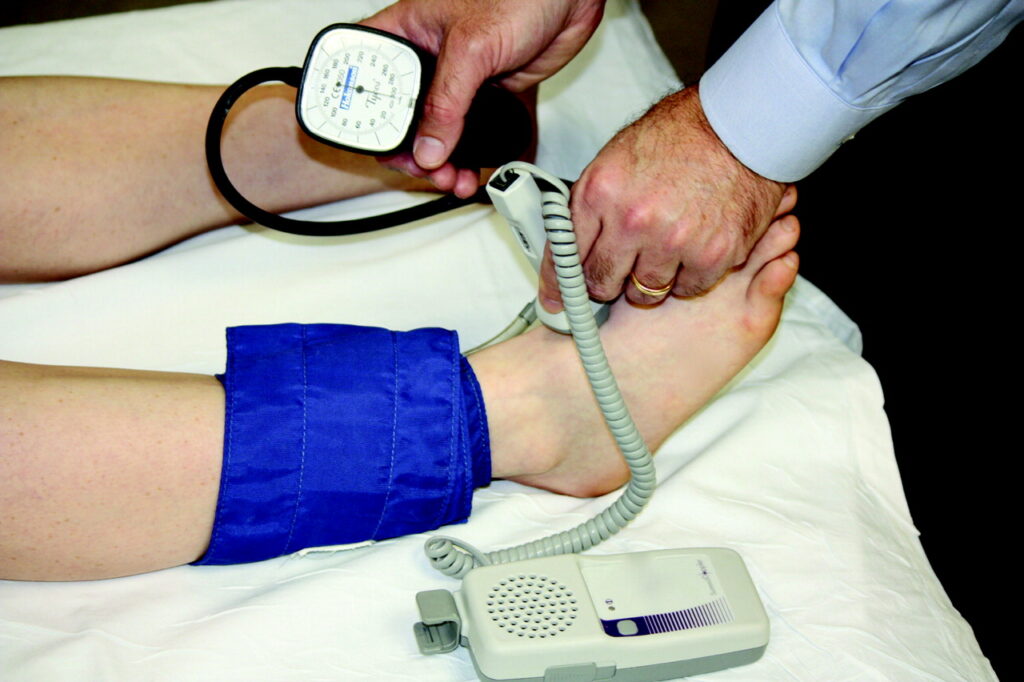
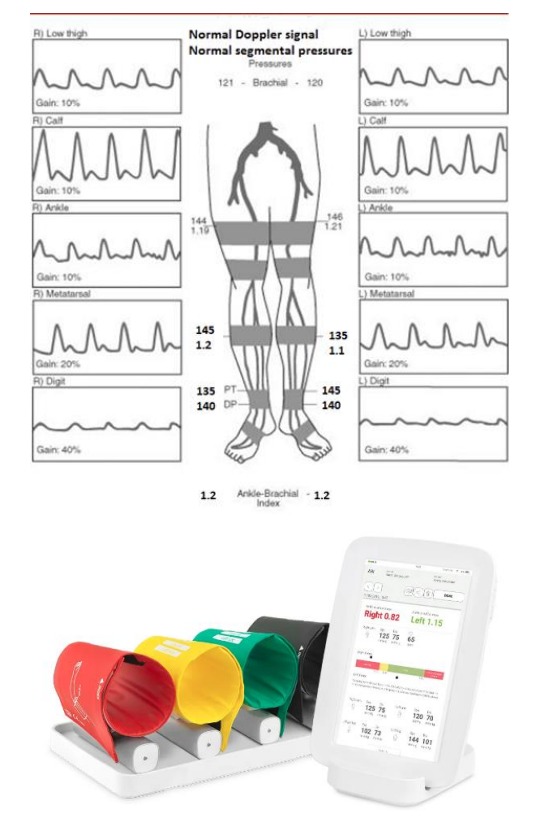
The ABI test is performed by measuring the blood pressure in your arms and ankles using a blood pressure cuff and a Doppler ultrasound device. The ABI is calculated by dividing the systolic blood pressure in your ankle by the systolic blood pressure in your arm. An ABI of 1.0 to 1.4 is considered normal, while an ABI of less than 0.9 may indicate PAD.

What devices are available for measuring ABI?

There are several devices available for measuring ABI, including the MESI ABI system and the PADnet Express. These devices are designed to provide fast, accurate, and reliable measurements of ABI, helping doctors to diagnose PAD and monitor the effectiveness of treatment.

How to interpret ABI results?

1

An ABI of 1.0 to 1.4 is considered normal, while an ABI of less than 0.9 may indicate PAD. If your ABI is less than 0.9, your doctor may recommend further testing to confirm the diagnosis of PAD and determine the best course of treatment.

2

ABI Interpretation:
     a. Normal ABI: 0.9 to 1.3
     b. Mild PAD: 0.7 to 0.9
     c. Moderate PAD: 0.4 to 0.7
     d. Severe PAD: Below 0.4

Get Your Free Health Consultation
or Book Your Appointment Now

Lorem ipsum dolor sit amet, consectetur adipiscing elit. Ut elit tellus, luctus nec ullamcorper mattis, pulvinar dapibus leo.